
Short form video is the most direct path between a new song and a new listener. Understanding how short form videos promote music means recognizing that platforms like TikTok, Instagram Reels, and YouTube Shorts have replaced radio as the primary discovery engine for pop and independent artists alike. The mechanic is precise: a three-second hook, a relatable visual, and an original audio file can carry a song further than a traditional press campaign. Morganharrismusic has built its promotional approach around exactly this logic, treating every short clip as a live signal sent to both algorithms and audiences. The result is a model worth studying carefully.
How short form videos promote music through hooks and authenticity
Short form video promotion works because it collapses the distance between curiosity and commitment. A listener who hears eight seconds of a chorus while scrolling has already received the song’s core emotional offer. That compression is the format’s defining strength.
The mechanics behind this are well documented. Optimal video length for music clips sits at 15–30 seconds, with the hook delivered in the first 1–3 seconds for the highest completion rates. Completion rate matters because every platform’s algorithm reads it as a signal of quality. A video watched to the end gets pushed further than one abandoned at the midpoint.
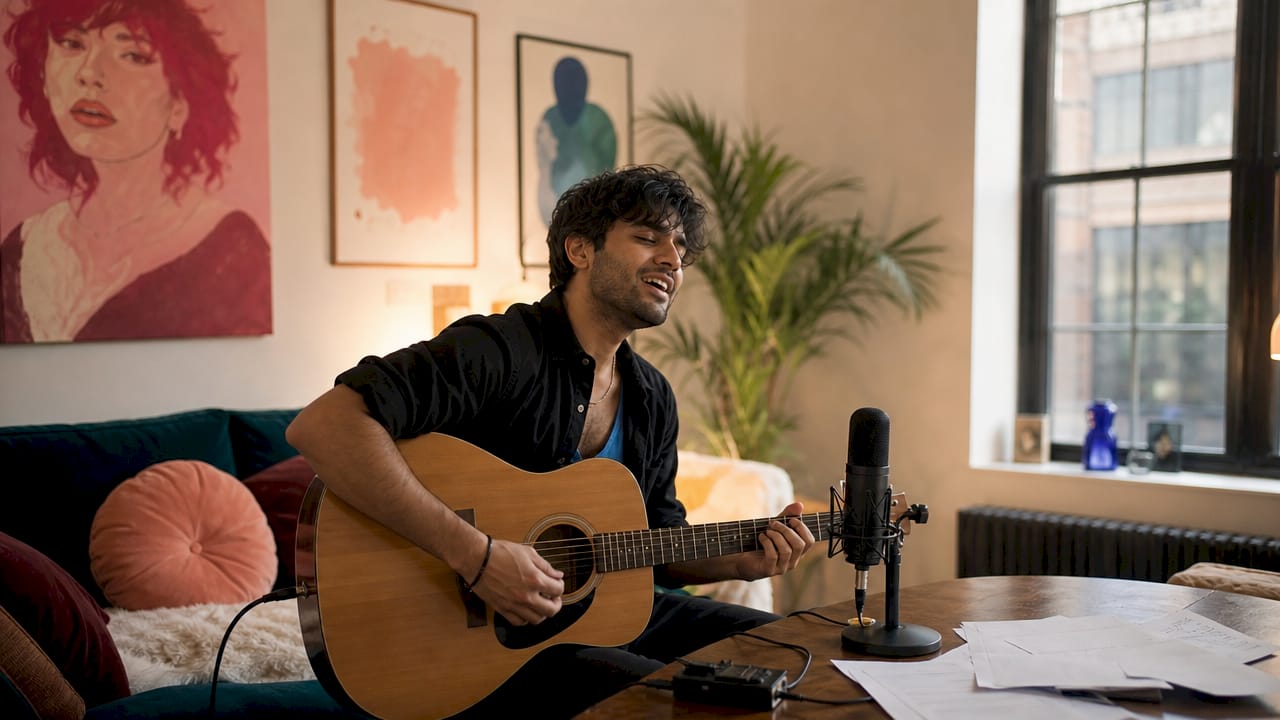
Authenticity is the second pillar. Highly produced, polished videos often underperform raw, phone-shot clips that feel native to the platform. This is not a paradox. Audiences on short video platforms have developed a precise instinct for content that feels like an ad. When something feels commercial, the scroll reflex takes over. When it feels like a real moment, the pause reflex kicks in.
The third element is original audio. Posting original audio files enables other creators to incorporate a song into their own videos, triggering independent discovery at scale. This is sound virality, and it is the mechanism that separates short form music promotion from every other format. A song that becomes a sound is no longer just a track. It becomes a cultural reference point.
Key behaviors that drive short form music promotion:
- Open with the most memorable melodic moment, not an intro or buildup
- Shoot in natural settings with available light to preserve a native feel
- Post original audio as a standalone sound file so others can remix and reuse it
- Keep captions minimal and let the music carry the emotional weight
- Respond to comments within the first two hours to signal community activity to the algorithm
Pro Tip: Record multiple takes of the same hook moment in different locations on the same day. You will have visual variety without additional production cost, and each clip will feel distinct even though the audio is consistent.
Building a content ecosystem from one song
The most common mistake in music promotion is treating a song release as a single event. A release is a campaign, and a campaign requires sustained content output over weeks, not a single upload on launch day.
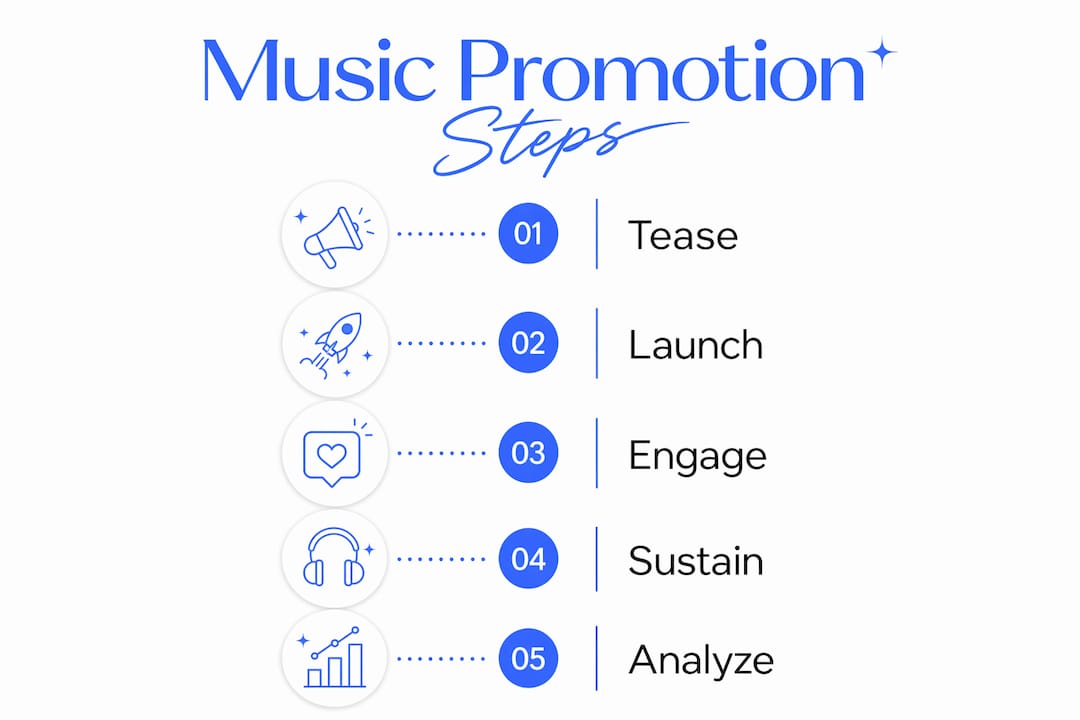
Artists who create 12–15 distinct short clips from one shoot and stagger their release schedule consistently outperform those who post everything at once. The logic is algorithmic and psychological. Staggered posting keeps a song in front of new audiences repeatedly, and each new clip gives existing fans a fresh reason to engage.
A single shoot day can generate the following clip types:
- Hook snippet — the chorus or most memorable four bars, cut tight at 15 seconds
- Behind-the-scenes moment — a candid shot of setup, wardrobe, or a blooper that humanizes the artist
- Lyric video clip — text on screen synced to the vocal, which performs particularly well on YouTube Shorts
- Performance clip — a full-body performance take that works best on TikTok’s trend-driven feed
- Visual loop — an abstract or aesthetic clip that uses the song as background, inviting reuse by other creators
The release schedule matters as much as the content itself. A phased approach creates momentum rather than a single spike.
| Phase | Timing | Content type |
|---|---|---|
| Tease | 2–3 weeks before release | Hook snippets, mood clips |
| Announce | 24–48 hours before release | Lyric clips, countdown visuals |
| Launch | Release day | Performance clips, full audio |
| Sustain | 2–4 weeks post-launch | Behind-the-scenes, fan response clips |
Posting consistently over time maximizes algorithmic signals and sustains engagement long after the initial release spike fades. The sustain phase is where most artists abandon their campaign. It is also where the most durable fan relationships form.
Pro Tip: Delay the full music video release until your short clips have already generated traction. Let the audience build anticipation through fragments before delivering the complete visual statement.
How do different platforms influence short form music promotion tactics?
TikTok, Instagram Reels, and YouTube Shorts each operate with distinct algorithmic priorities and audience behaviors. A strategy that works on one platform does not automatically transfer to another.
Platform differences are significant: TikTok carries the strongest viral sound culture, making it the best environment for launching original audio and riding trend cycles. Reels performs better for engaging an existing fanbase, where original audio features support direct artist-to-fan communication. YouTube Shorts favors watch time and offers a clear pathway to longer content, but its viral sound culture is weaker than TikTok’s.
Lyric video clips outperform performance videos on Shorts, while behind-the-scenes content anchors Instagram engagement more reliably. Performance clips find their most receptive audience on TikTok. These are not rigid rules, but they reflect genuine platform-level differences in what audiences expect and reward.
| Platform | Strength | Best clip type |
|---|---|---|
| TikTok | Viral sound culture, trend cycles | Performance clips, sound-first hooks |
| Instagram Reels | Existing fan engagement, original audio | Behind-the-scenes, personal moments |
| YouTube Shorts | Watch time, long-form traffic bridge | Lyric clips, visual storytelling |
Cross-platform posting is efficient, but it requires one discipline: avoid platform-specific references in any video you plan to reuse. Mentioning a platform by name in the video itself limits where that clip can live comfortably. Platform-neutral content travels further and avoids policy friction.
What practical steps optimize a short form video campaign?
Execution separates a well-planned campaign from one that actually builds an audience. The following practices address the specific points where most music promotion campaigns lose momentum.
Start every video with the hook or a visually arresting moment. The first frame is the only audition you get. A slow build, a title card, or a spoken introduction will cost you the viewer before the music has a chance to register.
Consistent posting and quick engagement with comments within the first two hours after upload signals community interaction to the algorithm. Engagement metrics carry more weight than raw view counts in most platform ranking systems. Replying to early comments is not just good manners. It is a technical act that increases organic reach.
Pinned comments and video descriptions that link to streaming platforms create a direct conversion path from video view to music consumption. The video is the invitation. The streaming link is the door. Without that door, you are building awareness without building listenership.
Additional practices worth building into every campaign:
- Shoot content that looks native to the platform, not like a repurposed television commercial
- Post at consistent intervals rather than in bursts followed by silence
- Use the song’s most emotionally charged lyric as a caption when text is needed
- Create videos that invite participation, whether through a challenge format, a question, or an open-ended visual prompt
- Track completion rates, not just views, to identify which clip types resonate most
Pro Tip: Create a simple content calendar before the campaign begins. Map each clip type to a specific posting date. This removes the daily decision of what to post and keeps the campaign running even when creative energy is low.
Key takeaways
Short form video promotion works when it treats a song as the beginning of a content campaign, not the end of a production process.
| Point | Details |
|---|---|
| Hook in the first three seconds | Deliver the song’s most memorable moment immediately to maximize completion rates. |
| Build a clip library before launch | Create 12–15 distinct clips from one shoot to sustain posting across the full campaign window. |
| Match clip type to platform | Use performance clips on TikTok, behind-the-scenes on Reels, and lyric clips on YouTube Shorts. |
| Post platform-neutral content | Avoid naming specific apps in videos to maximize reuse across all channels. |
| Convert viewers to listeners | Use pinned comments and descriptions to link directly to streaming platforms. |
What most creators miss about short form music promotion
The conversation around short form video tends to fixate on virality as the goal. That framing is understandable, but it misses the more durable opportunity the format offers.
What I have come to believe, after watching how these campaigns actually unfold, is that the artists who build lasting audiences treat their videos as raw promotional assets rather than finished statements. A music video is raw material for a broader campaign, not a final product to be released and forgotten. The artists who internalize this shift their entire relationship to production. They stop asking “is this good enough to post?” and start asking “how many different ways can this moment be used?”
The second thing most creators miss is the value of imperfection. Content that looks like an ad is often suppressed; creators succeed by engaging authentically and building community in comments early. The phone-shot clip of an artist singing in a car, genuinely moved by their own song, will almost always outperform a glossy studio cut. That is not a reason to abandon production quality. It is a reason to balance it with moments that feel unguarded.
The third insight is about timing. Releasing everything on launch day feels intuitive because it mirrors the old album-drop model. Short form platforms reward a different rhythm entirely. Sustained, staggered posting builds algorithmic momentum over weeks. The song that is still generating new clips three weeks after release is the song that keeps finding new listeners.
— Morgan
Morganharrismusic and the art of short form promotion
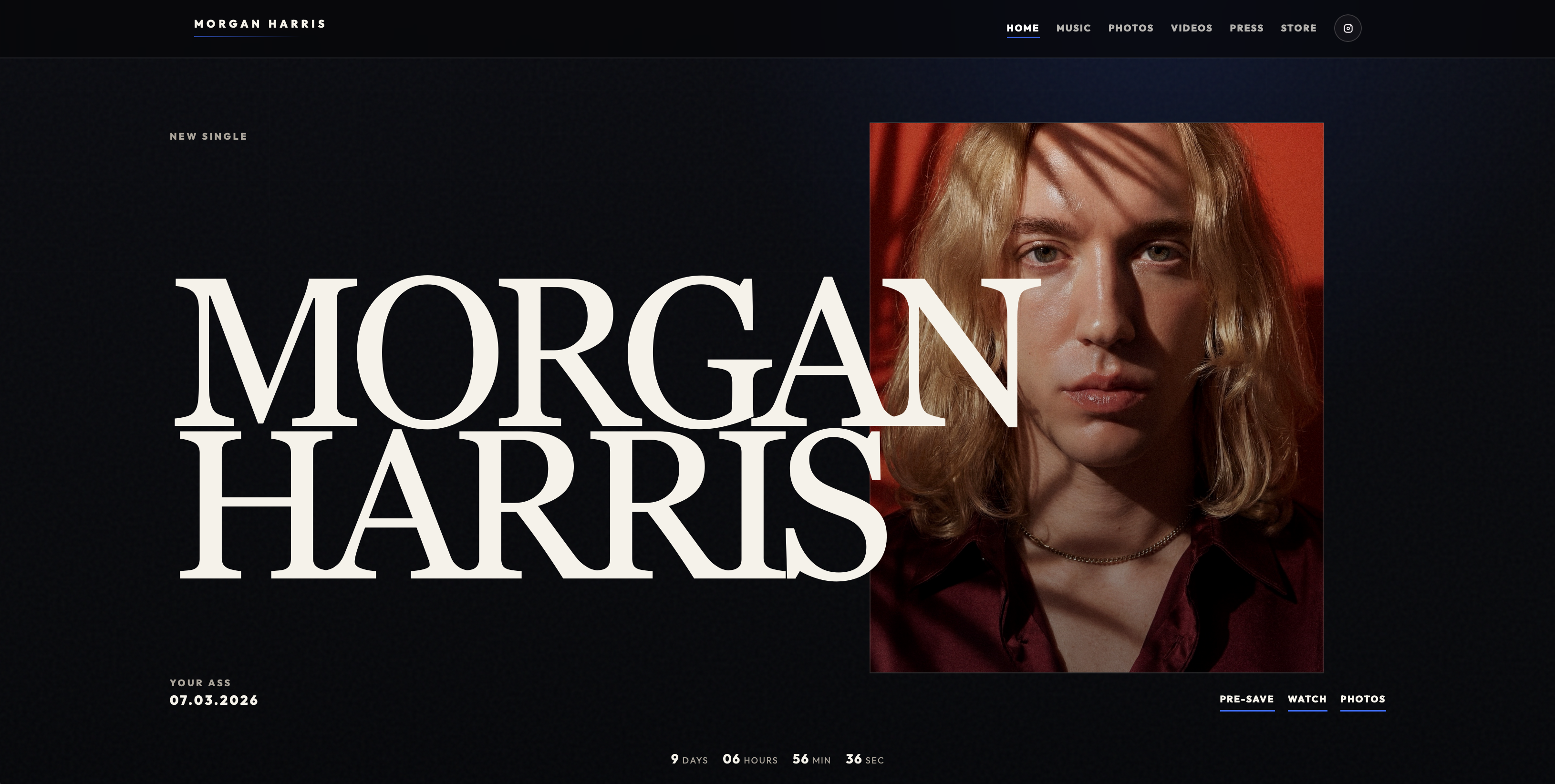
Morganharrismusic applies these principles directly in the promotion of “Your Ass,” a pop single built around self-empowerment and the kind of melodic confidence that translates naturally into short clip formats. The song’s hook is immediate, its themes are personal, and its energy is exactly what short form platforms reward. Morganharrismusic treats each release as a content campaign rather than a single upload, building community through authentic clips, lyric moments, and behind-the-scenes glimpses that invite listeners in before the full track arrives.
Creators and marketers looking for a working example of these strategies can explore Morgan Harris’s official profile and the full video catalog to see how a contemporary pop artist builds audience through short form content.
FAQ
How short form videos promote music discovery?
Short form videos promote music discovery by delivering a song’s hook to new listeners in under 30 seconds, triggering algorithmic distribution when viewers complete or share the clip. Original audio files also allow other creators to reuse the song, extending reach organically.
What is the best video length for music promotion?
The optimal length for music promotion clips is 15–30 seconds, with the hook placed in the first 1–3 seconds to maximize completion rates and algorithmic favorability.
How do you use TikTok for music promotion effectively?
Post performance clips with original audio enabled, engage with comments within the first two hours, and avoid platform-specific mentions so the content can be reused across Reels and Shorts without editing.
Why does authentic content outperform polished videos on short form platforms?
Audiences on short form platforms recognize and scroll past content that feels like an advertisement. Raw, phone-shot clips feel native to the feed and build the kind of trust that polished production cannot replicate at the same speed.
How many clips should an artist create per song release?
Creating 12–15 distinct clips per song, including hook snippets, lyric videos, behind-the-scenes moments, and performance takes, gives a campaign enough material to sustain consistent posting across the full pre and post-release window.